
Discovery Of Solar System
The discovery of our solar system has been a remarkable journey of scientific exploration, spanning centuries of human curiosity and technological advancement. The pivotal moment occurred in the early 17th century when astronomers like Galileo Galilei and Johannes Kepler revolutionized our understanding of the cosmos. Their observations, coupled with the Copernican heliocentric model, challenged the prevailing geocentric worldview, revealing that Earth orbits the Sun along with other celestial bodies. Subsequent centuries witnessed groundbreaking discoveries, such as the identification of planets beyond the naked eye and the exploration of our solar system through telescopes and robotic spacecraft. Today, cutting-edge instruments like space probes and telescopes continue to unveil the mysteries of our cosmic neighborhood, providing profound insights into the formation and dynamics of planets, moons, and other celestial bodies within the vast expanse of the solar system.
Types Of Planets
Our solar system consists of eight planets, listed in order of their distance from the Sun
Earth
Earth, our home, orbits the Sun in the habitable zone, boasting diverse landscapes, life forms, and ecosystems.
View Details
Mars
Earth, our home, orbits the Sun in the habitable zone, boasting diverse landscapes, life forms, and ecosystems.
View Details
Jupiter
Earth, our home, orbits the Sun in the habitable zone, boasting diverse landscapes, life forms, and ecosystems.
View Details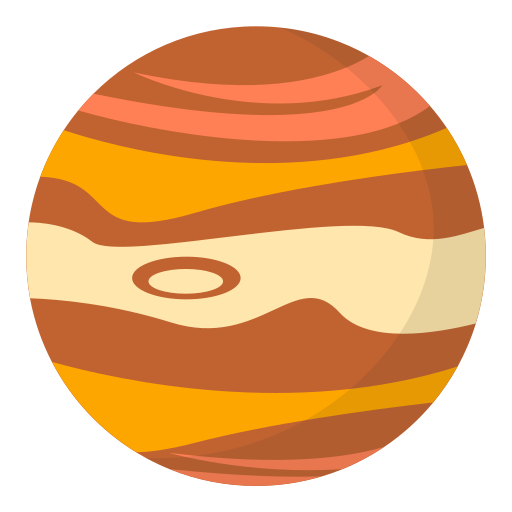
Saturn
Earth, our home, orbits the Sun in the habitable zone, boasting diverse landscapes, life forms, and ecosystems.
View Details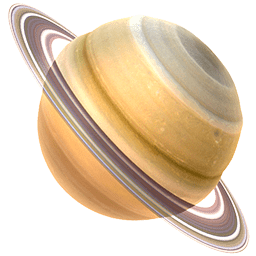
Neptune
Earth, our home, orbits the Sun in the habitable zone, boasting diverse landscapes, life forms, and ecosystems.
View Details
Venus
Earth, our home, orbits the Sun in the habitable zone, boasting diverse landscapes, life forms, and ecosystems.
View Details
Mercury
Earth, our home, orbits the Sun in the habitable zone, boasting diverse landscapes, life forms, and ecosystems.
View Details
Uranus
Earth, our home, orbits the Sun in the habitable zone, boasting diverse landscapes, life forms, and ecosystems.
View Details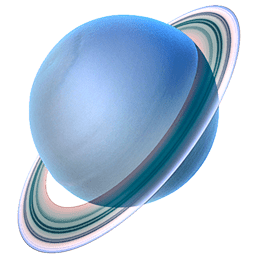
In-Depth Analysis of Our Solar System's Planets
Earth
Earth, with a diameter of about 12,742 kilometers, harbors a life-sustaining atmosphere primarily composed of nitrogen and oxygen. Positioned at an average distance of approximately 149.6 million kilometers from the Sun, it orbits within the habitable zone, ensuring a stable climate for diverse ecosystems. Earth's size and atmospheric composition contribute to its unique ability to support a rich variety of life forms and maintain a delicate balance necessary for the continuity of life.
Mars
Mars, with a diameter of 6,779 kilometers, is smaller than Earth. Its thin atmosphere, primarily composed of carbon dioxide, has traces of other gases. Positioned at an average distance of 227.9 million kilometers from the Sun, Mars orbits beyond Earth, contributing to its distinctive reddish appearance. The Martian atmosphere, though insufficient for human survival, influences weather patterns. Ongoing exploration and research aim to uncover more about Mars' geology, history, and potential for past or present life, advancing our understanding of the red planet..
Jupiter
Jupiter, the largest planet in our solar system, boasts a diameter of approximately 139,820 kilometers. Its atmosphere is primarily composed of hydrogen and helium, with trace amounts of other compounds. Positioned at an average distance of about 778 million kilometers from the Sun, Jupiter orbits beyond Mars. This gas giant's colossal size, powerful magnetic field, and numerous moons make it a prominent celestial object. Its intense atmospheric bands, iconic Great Red Spot, and dynamic weather systems continue to captivate astronomers and scientists alike.
Saturn
Saturn, the sixth planet from the Sun, has a diameter of about 116,460 kilometers, making it the second-largest in our solar system. Its atmosphere is primarily composed of hydrogen and helium, with traces of methane and ammonia. Positioned at an average distance of approximately 1.4 billion kilometers from the Sun, Saturn orbits beyond Jupiter. Known for its stunning ring system, the gas giant's unique features and captivating beauty make it a fascinating subject of study and observation in astronomy.
Neptune
Neptune, the eighth and farthest planet from the Sun, boasts a diameter of about 49,244 kilometers. Its atmosphere primarily consists of hydrogen, helium, and methane. Positioned at an average distance of approximately 4.5 billion kilometers from the Sun, Neptune orbits beyond Uranus. The icy giant is characterized by its deep-blue hue and strong winds, with the fastest recorded in the solar system. Neptune's remote location and intriguing features, including a dynamic atmosphere and a notable dark storm called the Great Dark Spot, make it a subject of ongoing scientific interest and exploration.
Venus
Venus, the second planet from the Sun, has a diameter of approximately 12,104 kilometers, similar to Earth's. Its atmosphere is mainly composed of carbon dioxide with thick clouds of sulfuric acid. Positioned at an average distance of about 108.2 million kilometers from the Sun, Venus orbits closer to it than Earth. The planet's thick atmosphere traps heat, resulting in an extreme greenhouse effect, making it the hottest planet in our solar system. Venus' unique features, including a retrograde rotation and a dense atmosphere, continue to fascinate scientists and researchers.
Mercury
Mercury, the closest planet to the Sun, has a diameter of approximately 4,880 kilometers, making it the smallest in our solar system. Its thin atmosphere is mostly composed of trace amounts of hydrogen, helium, and oxygen. Positioned at an average distance of about 57.9 million kilometers from the Sun, Mercury experiences extreme temperature variations due to its lack of a substantial atmosphere. With surface temperatures ranging from scorching to frigid, this rocky planet's unique characteristics, including a slow rotation and cratered surface, contribute to its intriguing nature and scientific significance.
Uranus
Uranus, the seventh planet from the Sun, has a diameter of around 50,724 kilometers. Its atmosphere is predominantly composed of hydrogen, helium, and methane. Positioned at an average distance of about 2.9 billion kilometers from the Sun, Uranus orbits beyond Saturn. The planet's axial tilt is unique, causing extreme seasonal variations. Uranus is an ice giant with a bluish-green hue, distinct rings, and a dynamic atmosphere. Ongoing research aims to unravel its mysteries, including its unusual rotation and the nature of its atmosphere, making Uranus a captivating celestial object.